Lawn Care in Kingston: Practical Tips, Seasonal Strategies, and Expert Maintenance Ideas for a Healthier Yard
Why lawn care in Kingston matters for homeowners and property managers

Lawn care in Kingston is about more than just keeping grass short. In a city with changing seasons, fluctuating temperatures, and a mix of sun, shade, rain, and occasional dry spells, your lawn needs consistent attention to stay healthy and attractive. Whether you manage a small residential yard, a rental property, or a larger commercial landscape, the condition of your turf affects curb appeal, outdoor enjoyment, and even property value.
A well-maintained lawn also contributes to a cleaner-looking neighborhood and creates a more usable outdoor space for family activities, entertaining, and relaxation. Good Kingston lawn care combines proper mowing, watering, fertilizing, aeration, weed control, and seasonal cleanup. When these elements work together, grass becomes thicker, greener, and more resistant to stress.
For many property owners, the challenge is knowing how to adapt care practices to local conditions. Kingston weather can be unpredictable, and that means lawn care in Kingston should be flexible, seasonal, and realistic. The goal is not perfection overnight; it is steady improvement through smart maintenance and a strong understanding of what your lawn needs throughout the year.
Understanding Kingston’s climate and how it affects turf health
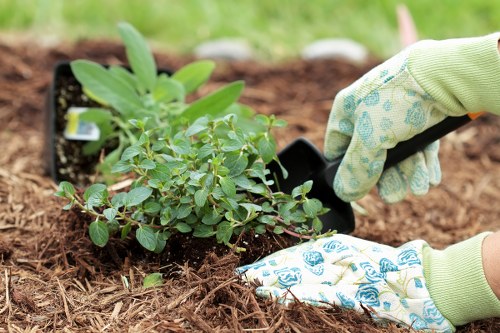
Climate is one of the biggest factors in lawn care in Kingston. Grass growth depends on temperature, moisture, sunlight, and soil conditions, all of which shift through the year. In spring, lawns often wake up from winter dormancy with patchy spots, compacted soil, and debris from snow, ice, or fallen leaves. Summer can bring heat stress, dry soil, and increased weed pressure. Autumn is the time to repair, feed, and prepare for winter. Winter may not require active mowing, but it still affects root health and soil structure.
Because of these changing conditions, Kingston lawn care should follow a seasonal rhythm. Warm days can encourage growth, but cool nights may slow recovery. Heavy rain can lead to runoff, while compacted soil can make it difficult for roots to access oxygen and water. Understanding these conditions helps you avoid common mistakes such as overwatering, cutting grass too short, or applying fertilizer at the wrong time.
One of the best ways to support a healthy lawn is to match your maintenance schedule to the season. A lawn that gets the right treatment at the right time is more likely to resist pests, weeds, and drought. In practical terms, that means planning ahead and treating lawn care in Kingston as an ongoing process rather than a one-time project.
Core lawn care in Kingston: the essentials every lawn needs
Mowing, watering, and feeding the grass properly

The foundation of lawn care in Kingston starts with three basics: mowing, watering, and feeding. Each one has a direct impact on how your grass grows and how well it handles stress. If one element is neglected, the entire lawn can suffer. Healthy turf is built on consistency, not just occasional attention.
Mowing is more than simply trimming the grass. The height of your cut matters. Cutting too low can weaken the grass, expose soil, and encourage weed growth. A slightly higher cut helps shade the soil, retain moisture, and strengthen roots. It also improves the lawn’s ability to recover after periods of heat or heavy use. For most lawns, mowing regularly and keeping blades sharp makes a visible difference.
Watering should be done deeply rather than frequently in shallow amounts. Deep watering encourages roots to grow downward, making the lawn more drought-tolerant. Early morning is usually the best time to water because it reduces evaporation and gives the grass time to dry before evening. Overwatering is a common mistake in Kingston lawn care, and it can lead to fungus, weak roots, and wasted resources.
Fertilizing provides the nutrients grass needs to grow thick and green. A balanced approach works best. Too much fertilizer can burn the lawn or encourage excessive top growth at the expense of root development. Soil testing is useful because it tells you what your lawn actually needs instead of guessing. With the right feeding schedule, lawn care in Kingston becomes more efficient and effective.
Soil health and lawn performance in Kingston
Why the ground beneath the grass matters
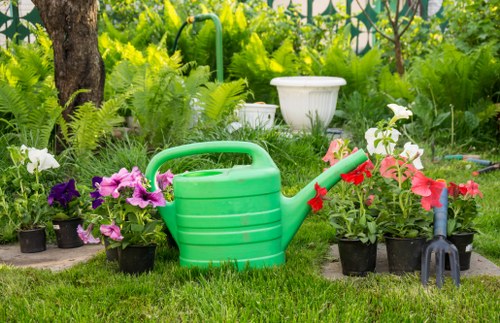
Healthy grass depends on healthy soil. If the soil is compacted, nutrient-poor, or poorly drained, even the best lawn care in Kingston will have limited results. Soil quality influences how well roots spread, how much water the lawn can absorb, and how efficiently fertilizers work. That is why soil improvement should be a major part of any maintenance plan.
One of the most common issues in older or heavily used lawns is compaction. Foot traffic, equipment, and natural settling can make the soil dense, preventing air and water from reaching the roots. Aeration helps solve this problem by creating small openings in the ground. These openings improve circulation, reduce runoff, and allow grass to grow more deeply and strongly. Aeration is especially useful for lawns that feel hard underfoot or show signs of thinning.
Another important factor is pH balance. Grass grows best when the soil is within a suitable pH range, because that determines how easily it can absorb nutrients. If the pH is too acidic or too alkaline, fertilizer may not work properly. Testing the soil before making changes can save time and money while improving long-term results. In short, Kingston lawn care works better when the soil itself is in good shape.
Seasonal lawn care in Kingston: what to do throughout the year
Spring, summer, autumn, and winter priorities

Seasonal planning is one of the smartest ways to approach lawn care in Kingston. Each season presents different challenges and opportunities, and adjusting your routine helps the lawn stay resilient. A lawn that receives timely care in spring, steady support in summer, and proper preparation in autumn will enter winter in better condition and recover faster when growth resumes.
Spring is the time to clear debris, assess winter damage, and encourage fresh growth. Raking away dead grass, fallen branches, and leaves helps sunlight and air reach the turf. This is also a good time to test the soil, apply a suitable fertilizer, and overseed thin areas. If the lawn has bare patches, spring attention can set the stage for a fuller yard later in the year.
Summer brings stress from heat, sun, and sometimes dry conditions. During this period, mowing height should be slightly higher to protect the soil and reduce moisture loss. Watering should be careful and consistent, especially during dry spells. Weed control also matters because weeds compete with turf for water and nutrients. Many homeowners make the mistake of pushing the lawn too hard in summer, but a more protective approach often delivers better results.
Autumn is often the most important season for lawn care in Kingston. Cooler temperatures and more reliable moisture create excellent conditions for repair and root growth. This is the ideal time for aeration, overseeding, fertilization, and leaf removal. Autumn lawn care helps build strength before winter dormancy and improves the lawn’s appearance for the following spring.
Winter care is less active, but it still matters. Avoid heavy traffic on frozen or waterlogged grass, as that can cause damage. Keep the lawn clear of debris and monitor any areas where snow piles may linger. Even though growth slows, the condition of the lawn in winter affects how it performs later. Smart winter habits protect the work done throughout the rest of the year.
Weed control and pest management for healthier Kingston lawns
Keeping unwanted growth and damage under control
Weeds are one of the most common frustrations in lawn care in Kingston. They compete with grass for sunlight, water, and nutrients, and they can quickly take over thin or stressed areas. Effective weed management begins with prevention. Thick, healthy turf makes it harder for weeds to establish, which is why strong mowing, watering, and fertilizing habits are so important.
Regular inspections help you catch weeds early. Many weed problems are easier to control when they are small. Hand removal can work for isolated patches, while targeted treatments may be needed for larger infestations. The key is to identify the type of weed and respond appropriately. A one-size-fits-all approach rarely works well in Kingston lawn care, especially when conditions vary from one property to another.
Pest management is also part of a complete lawn care plan. Insects and lawn diseases can cause patches, discoloration, or thinning. Some problems are caused by environmental stress rather than pests, so diagnosis matters. Signs such as irregular damage, spongy turf, or spreading dead spots may indicate that action is needed. Healthy soil, balanced feeding, and proper watering all help reduce pest and disease pressure.
For homeowners who want fewer problems over time, prevention is usually more effective than reacting after damage is visible. That is why many property owners treat lawn care in Kingston as a long-term investment rather than a seasonal chore. A lawn that is well maintained naturally becomes more competitive against weeds and more resistant to pests.
Useful prevention habits include:
- Keeping mower blades sharp for clean cuts
- Maintaining proper grass height
- Watering deeply and infrequently rather than lightly every day
- Removing thatch and debris that can harbor disease
- Acting quickly on small weed patches
Overseeding, aeration, and renovation for tired lawns
How to improve thin or patchy turf
Many lawns in Kingston eventually become thin, uneven, or patchy due to foot traffic, shade, poor soil, or seasonal stress. When that happens, overseeding and aeration can restore density and improve overall health. These renovation methods are often a turning point in lawn care in Kingston because they address the underlying causes of decline rather than just the symptoms.
Overseeding means spreading new grass seed over an existing lawn to fill in bare spots and increase thickness. It works especially well after aeration because the new seed has better contact with the soil. Overseeding can improve color, reduce weed invasion, and create a more uniform appearance. Choosing the right grass seed for Kingston conditions is important because not all turf varieties perform equally well in local weather and shade patterns.
Aeration helps loosen compacted soil and improves root access to air, water, and nutrients. It is particularly valuable in high-traffic areas, clay-heavy soil, or lawns that seem to dry out quickly despite watering. After aeration, lawns often respond more strongly to fertilizer and overseeding, which is why the two practices are often used together.
For severely damaged areas, lawn renovation may be necessary. This can involve removing dead material, correcting soil issues, reseeding, and adjusting the maintenance routine. While renovation takes time, it can transform a struggling lawn into a healthier, more attractive landscape. In many cases, this is the most effective path to long-term improvement in Kingston lawn care.
Best mowing practices for Kingston properties
Cutting grass the right way for stronger growth
Good mowing habits may seem simple, but they make a major difference in lawn care in Kingston. The way you mow affects grass density, root development, weed pressure, and moisture retention. A lawn that is cut properly stays healthier and looks better with less effort over time.
One of the best rules is to avoid cutting more than one-third of the grass blade at once. Removing too much at once shocks the lawn and can reduce its ability to recover. Regular mowing supports even growth and prevents the turf from becoming stressed. If grass has grown too tall, it is better to reduce it gradually over a few cuts.
Another important factor is mowing pattern. Changing direction from week to week helps prevent soil compaction and reduces the chance of ruts. It also encourages grass to grow more upright rather than leaning in one direction. Sharp blades are essential, because dull blades tear the grass and leave ragged edges that are more vulnerable to disease.
Grass clippings can be left on the lawn if they are short and evenly distributed. This practice returns some nutrients to the soil and can reduce the need for additional fertilizer. However, heavy clumps should be removed because they can smother the grass underneath. Smart mowing is one of the easiest ways to improve lawn care in Kingston without adding complexity.
Watering strategies that work in Kingston
Efficient watering for stronger roots and greener grass
Watering is one of the most misunderstood parts of lawn care in Kingston. Many lawns receive too much water too often, which weakens the roots and creates a more favorable environment for disease. Others receive too little, which leads to stress, browning, and poor recovery. The best approach is to water intentionally and based on actual conditions.
A lawn generally benefits from deep watering that encourages root growth below the surface. Shallow watering tends to keep roots near the top, where they are more exposed to heat and drought. Early morning watering is often ideal because it allows the lawn to absorb moisture before the sun becomes stronger. Evening watering can leave grass damp overnight, increasing the risk of fungal issues.
Weather should always influence your watering schedule. After heavy rainfall, additional irrigation may not be necessary. During hot, dry periods, lawns may need extra support, but overcompensating can be counterproductive. Watching the lawn itself is helpful: if footprints remain visible, or the grass starts to lose color and elasticity, it may be time to water.
Efficient watering is not just good for the turf; it is also practical and resource-conscious. In a city like Kingston, where homeowners often want attractive lawns without wasting time or water, smart irrigation habits are one of the clearest signs of effective lawn care in Kingston.
Choosing between DIY lawn care and professional support
Finding the right level of help for your property
Some property owners prefer to manage lawn care in Kingston themselves, while others want professional support. Both options can work well depending on your schedule, budget, lawn size, and experience. The best choice is the one that gives your lawn the consistent attention it needs.
DIY lawn care can be rewarding, especially for homeowners who enjoy outdoor work and want complete control over their yard. It allows flexibility and may reduce short-term costs. However, it also requires time, tools, and knowledge. Mowing, fertilizing, aerating, and weed control all demand attention, and mistakes can sometimes make problems worse.
Professional lawn care can be a smart option for busy households, larger properties, or lawns with ongoing issues. Experienced providers often have access to specialized equipment and a better understanding of local soil and weather conditions. They can create a more consistent maintenance plan and help address problems faster. For many people, this creates peace of mind and better results.
Consider professional support if you want help with:
- Seasonal lawn maintenance
- Aeration and overseeding
- Weed and pest control
- Fertilization scheduling
- Repairing thin or damaged areas
Whichever path you choose, consistency is what matters most. Lawn care in Kingston works best when it is handled regularly, with attention to seasonal needs and long-term improvement.
How to keep your Kingston lawn looking its best long term
Building habits that support lasting results
Long-term success in lawn care in Kingston comes from habits, not shortcuts. A lawn becomes healthier over time when it receives regular maintenance and when small issues are addressed before they turn into bigger ones. That means staying alert to changes in color, thickness, moisture levels, weed growth, and soil condition.
It also helps to think of lawn care as a system. Mowing, watering, feeding, aeration, weed control, and seasonal cleanup all influence one another. For example, proper mowing supports weed prevention. Good soil structure helps watering work better. Fertilization supports recovery after heavy use. When these elements are coordinated, the lawn improves more reliably.
Another useful habit is observation. Walk across the lawn often and look for areas that stay wet, dry out too quickly, or show signs of wear. Notice where shade or foot traffic affects growth. This kind of attention makes lawn care in Kingston more efficient because it helps you respond to actual conditions instead of applying the same treatment everywhere.
Over time, the reward is a lawn that looks better, feels healthier underfoot, and performs well through the seasons. Whether you want a neat front yard, a family-friendly backyard, or a polished commercial landscape, steady Kingston lawn care creates visible value.
Ready to improve your outdoor space? Contact us today, book your service now, and take the next step toward a greener, healthier lawn that stands out in every season.

